Home inspections in Evergreen.
Inspectrum is based in Evergreen, so this is home ground. Here is what’s worth knowing about an Evergreen house before your inspection, and what we look at closely once we’re there.
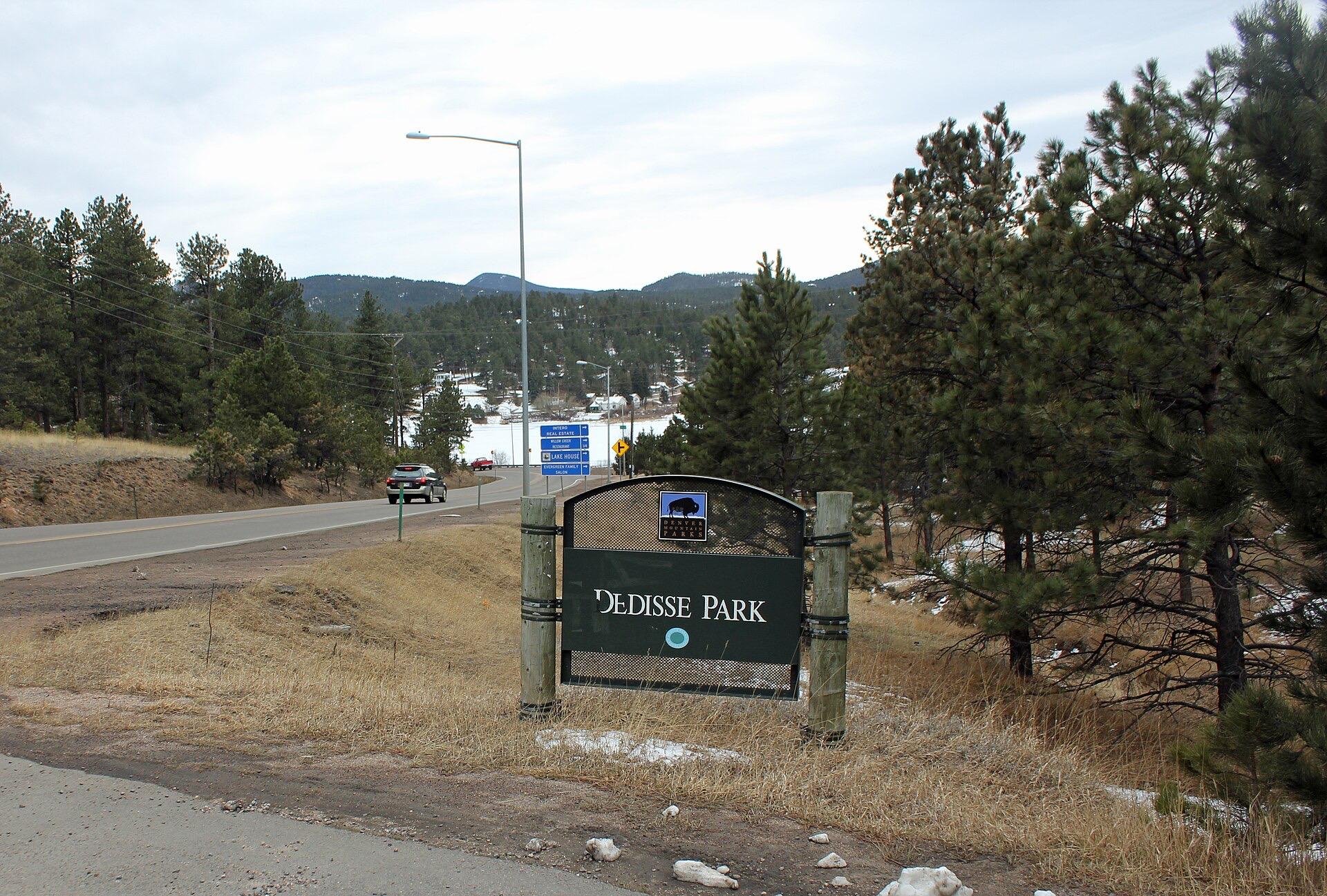
- County
- Jefferson County
- Who issues permits
- Unincorporated — Jefferson County issues the building and septic permits
- Water and sewer
- Metro-district water and sewer in the core; private well and septic beyond it
- Septic at sale
- County use permit required before a septic-served home is sold
What’s different about an Evergreen house
Evergreen isn’t a city. There is no town hall and no city utility, so the answers to basic questions change from one street to the next.
District utilities or well and septic?
The Evergreen Metropolitan District describes its service area as running from I-70 south through Bergen Park, Hiwan, the Ridge and central Evergreen to about Brook Forest Road. Outside the districts, a home is usually on its own well and septic system. Find out which before you write the offer; it changes what needs inspecting.
A septic permit comes with the sale
Before a septic-served home in Jefferson County changes hands, the owner has to obtain a county use permit, which means a licensed use-permit inspector has evaluated the system. The 2026 regulations exempt only systems installed and approved less than a year before closing, and the permit is good until closing or six months, whichever comes first.
Roofs are built to an elevation table
Jefferson County sets the minimum roof snow load by the parcel’s elevation: 30 pounds per square foot below 6,500 feet, 38 at 7,000, 47 at 7,500 and 57 at 8,000. That matters most for decks, porch roofs and additions built without a permit.
Granite underfoot, not clay
Most of the foothills sit on granite and gneiss, so the swelling clay that cracks foundations on the plains is less of a story here. Water still is: on a sloped lot, where the uphill runoff goes decides whether the crawlspace stays dry.
Radon is the rule, not the exception
State health officials say about half of Colorado homes test above the EPA action level, and Jefferson County’s test results average above it. Test during your inspection window, whatever the neighbours’ results were.
What we look at closely
Every inspection covers the whole house. On foothills properties, these are the places that most often change the conversation.
Decks and their attachment
Tall decks on sloped lots carry snow and people a long way off the ground. We look at the ledger connection, posts, footings, bracing and guards.
Drainage on the uphill side
Grading, downspouts, swales and retaining walls, then the crawlspace or basement wall behind them for staining and moisture.
Roof edges and attic
Ice-dam evidence at the eaves, flashing, ventilation and insulation, and anything that suggests heat is leaking into the attic.
Heat without natural gas
Propane tanks and lines, wood stoves and their clearances, and how the house stays warm when the power is out.
What a home inspection doesn’t cover
A home inspection is a visual review of the accessible parts of the house. On a mountain property a few important things sit outside it, and they need their own appointment.
The septic use-permit inspection
That is done by a use-permit inspector licensed by Jefferson County, not by a home inspector. We note the visible parts of the system and anything that looks wrong at the surface.
Well yield and water quality
We note the visible well equipment, pressure tank and treatment gear. A timed yield test and lab water testing are separate specialist services, and worth ordering early.
Inside the flue
We check wood stoves, clearances and the visible chimney. A camera inspection of the flue (a Level 2 chimney inspection) is a chimney sweep’s job.
Engineering opinions
We report what we see — cracks, movement, sagging, undersized framing — and say when a structural engineer should take it further. We don’t size beams or certify a structure.
What you can book
Full home inspection
Every major system, a walkthrough on site, and a photo report the same day.
Radon testing
A 48-hour continuous monitor, alone or alongside the inspection.
Sewer scope
A camera through the main sewer line, from the house to the street.
Commercial inspection
Scoped and quoted for the building. Written proposal first.
Go deeper
Nearby communities we cover
- Kittredge — served by its own Kittredge Sanitation and Water District, with water treated by Evergreen Metro
- Indian Hills — just down Parmalee Gulch from Evergreen
- Genesee — the foothills neighbourhood between Evergreen and Golden
- Bergen Park and Hiwan — inside the Evergreen Metropolitan District service area
Evergreen, answered.
Is Evergreen on city water and sewer?+
Some of it. The Evergreen Metropolitan District and two neighbouring districts serve the core of the community with water, and with sewer inside their boundaries. Homes outside those boundaries generally have a private well and a septic system. The listing usually says which; the county and the district can confirm.
Who does the septic inspection when I buy in Evergreen?+
A use-permit inspector licensed by Jefferson County, hired separately from the home inspection. The seller is the one who must hold the use permit before closing. We look at the visible parts of the system during the home inspection, but the permit inspection is a different job.
Should I test for radon in Evergreen?+
Yes. Radon varies house to house, so a neighbour’s low reading tells you little about yours. A 48-hour continuous monitor can run alongside the inspection, and a high result becomes something to negotiate rather than a surprise after closing.
How soon can you inspect a home in Evergreen?+
The online scheduler shows the open dates and start times. Pick one and you’ll get a confirmation email right away.
- Evergreen Metropolitan District — Who we are (service area and districts)
- Jefferson County Public Health — Onsite Wastewater Treatment System Regulations, effective June 15, 2026 (Section 9, Use Permits)
- Jefferson County — Use Permit Program
- Jefferson County Building Safety — Table R301.2.3 Snow Load Table (2024 Building Code Supplement)
- CDPHE — Half of Colorado homes have elevated radon levels
- Colorado Radon Check — CDPHE test data by county (Jefferson County average)
County and utility rules change. Checked November 2026; confirm current requirements with the agency before you rely on them for a closing.
Book the inspection. Know the house.
Pick a date and time — you'll get a confirmation email right away, and we'll reach out only if something needs to change.