Home inspections in Denver.
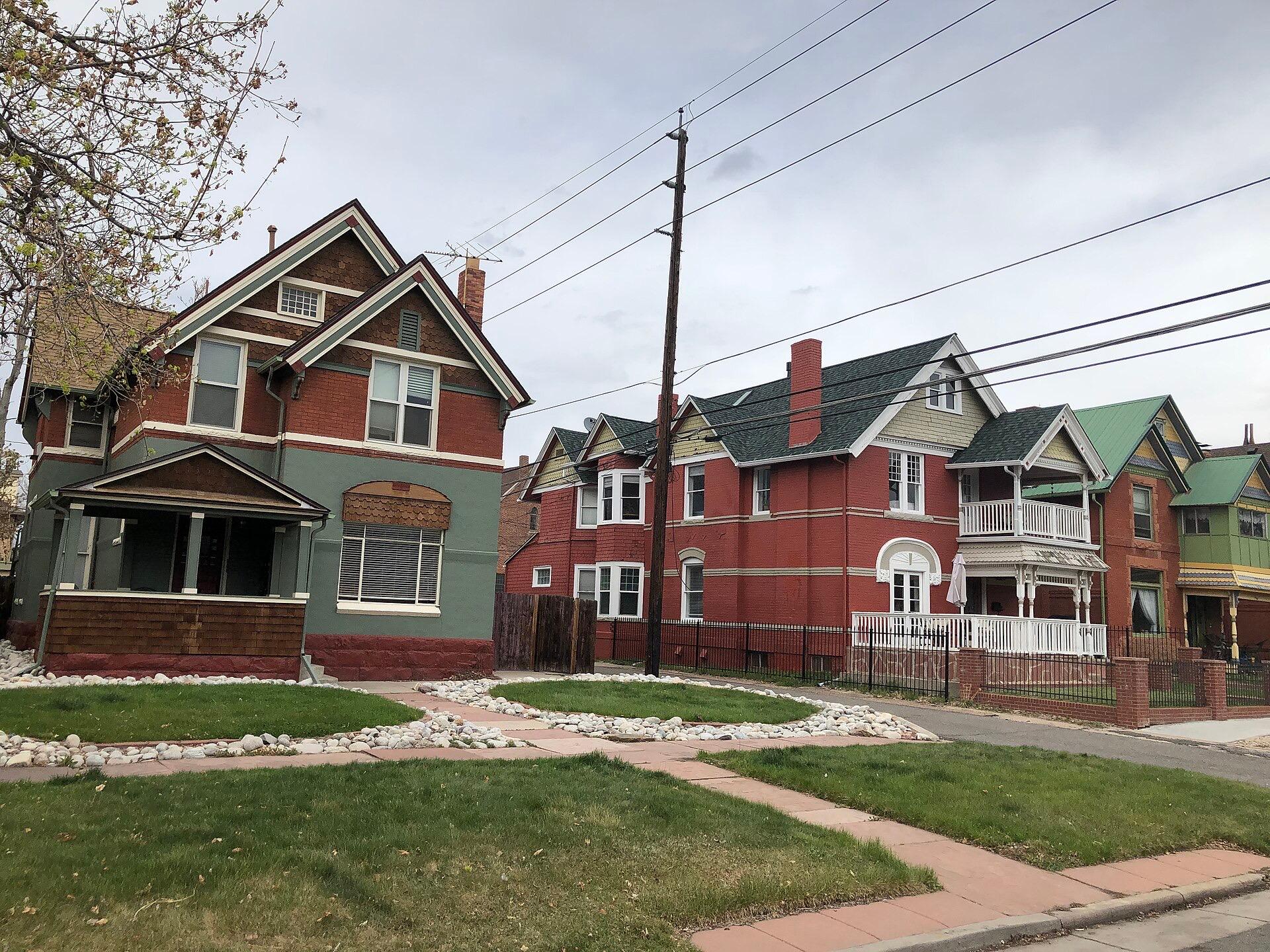
Denver has more old houses than anywhere else we work: bungalows, Denver Squares and brick Tudors that have been lived in for a century. They are worth buying, and they are worth inspecting properly first.
- County
- City and County of Denver
- Who issues permits
- City and County of Denver
- Water and sewer
- Denver Water and city sewer
- Sewer line
- The owner’s, up to and including the tap into the city main
What’s different about a Denver house
In Denver the year the house was built answers half the questions before anyone opens the front door.
Lead water service lines
Denver Water says homes built before 1951 are more likely to have a lead service line, and estimates that 64,000 to 84,000 properties may have one. Its Lead Reduction Program is replacing them at no direct charge to the customer and supplies filters in the meantime. Ask the seller, or look the address up with Denver Water, to see where the property stands.
The sewer line is yours, tap included
Denver locates and maintains only the main sewer lines. The service line from the house is the property owner’s responsibility up to and including the tap into the main. On an old house that can mean a clay line the length of the front yard and under the street.
A century of updates
Older Denver homes have usually been rewired, replumbed and re-roofed in stages. Knob-and-tube wiring, galvanized pipe and old boilers still turn up, sometimes behind a recent renovation.
Basements and radon
About half of Colorado homes test above the EPA action level for radon. Denver basements are often finished and lived in, which makes testing more important, not less.
What we look at closely
Every system is inspected. In older Denver homes, these are where a renovation’s shortcuts tend to hide.
Wiring behind the new finishes
Old wiring types still in service, ungrounded circuits, panel condition and how additions were tied in.
Water supply and drains
The visible service line material where it enters the house, galvanized and cast-iron pipe, and water pressure.
Brick, foundations and moisture
Mortar and brick condition, foundation cracking, basement moisture and how water is kept away from the house.
Roofs, chimneys and heat
Layered roofing, masonry chimneys, hail wear, and older furnaces and boilers.
What a home inspection doesn’t cover
A home inspection is visual and non-invasive. These are the usual add-ons and referrals for a Denver purchase.
Inside the sewer line
That takes a sewer scope: a camera run from a cleanout to the street. We offer it as an add-on in the same visit.
Confirming a lead service line
We note the pipe material we can see where the water line enters the house. The buried portion is confirmed through Denver Water’s records and testing.
Lead paint and asbestos
Older homes may contain both. We note materials that are commonly suspect; confirming them takes laboratory testing by a specialist.
Radon, unless you add it
Radon testing is a separate 48-hour monitor test. It’s easy to add to the inspection and we recommend it on every purchase.
What you can book
Full home inspection
Every major system, a walkthrough on site, and a photo report the same day.
Radon testing
A 48-hour continuous monitor, alone or alongside the inspection.
Sewer scope
A camera through the main sewer line, from the house to the street.
Commercial inspection
Scoped and quoted for the building. Written proposal first.
Go deeper
Nearby communities we cover
- Englewood, Glendale and Cherry Hills Village — surrounded by or bordering the city
- Lakewood, Arvada and Littleton — the neighbouring suburbs, each with its own page
Denver, answered.
Do I need a sewer scope on a Denver home?+
On an older home, yes. The owner is responsible for the line up to and including the tap into the city main, and old clay lines crack, shift and fill with roots. A scope takes about half an hour during the inspection visit and you keep the video.
How do I find out if a Denver house has a lead water line?+
Denver Water keeps an inventory and an address lookup. Homes built before 1951 are the most likely to have one. If the line is lead, Denver Water’s program replaces it at no direct charge and provides a filter until then.
Do you inspect old houses in Denver?+
Yes. They take longer than a new house, and the report separates what is typical for the age from what needs repair or a specialist, so a long list doesn’t read as a reason to walk away.
How soon can you inspect in Denver?+
The online scheduler shows the open dates and start times. Pick one and you’ll get a confirmation email right away.
- Denver Water — Lead service lines
- Denver Water — Lead Reduction Program, year in review 2024
- City and County of Denver — Utility locates (sewer service line responsibility)
- CDPHE — Half of Colorado homes have elevated radon levels
County and utility rules change. Checked November 2026; confirm current requirements with the agency before you rely on them for a closing.
Book the inspection. Know the house.
Pick a date and time — you'll get a confirmation email right away, and we'll reach out only if something needs to change.